ScalaVisione

Sector · Made-to-measure office furniture

One calculation, three outputs: quote, visual, cut list.

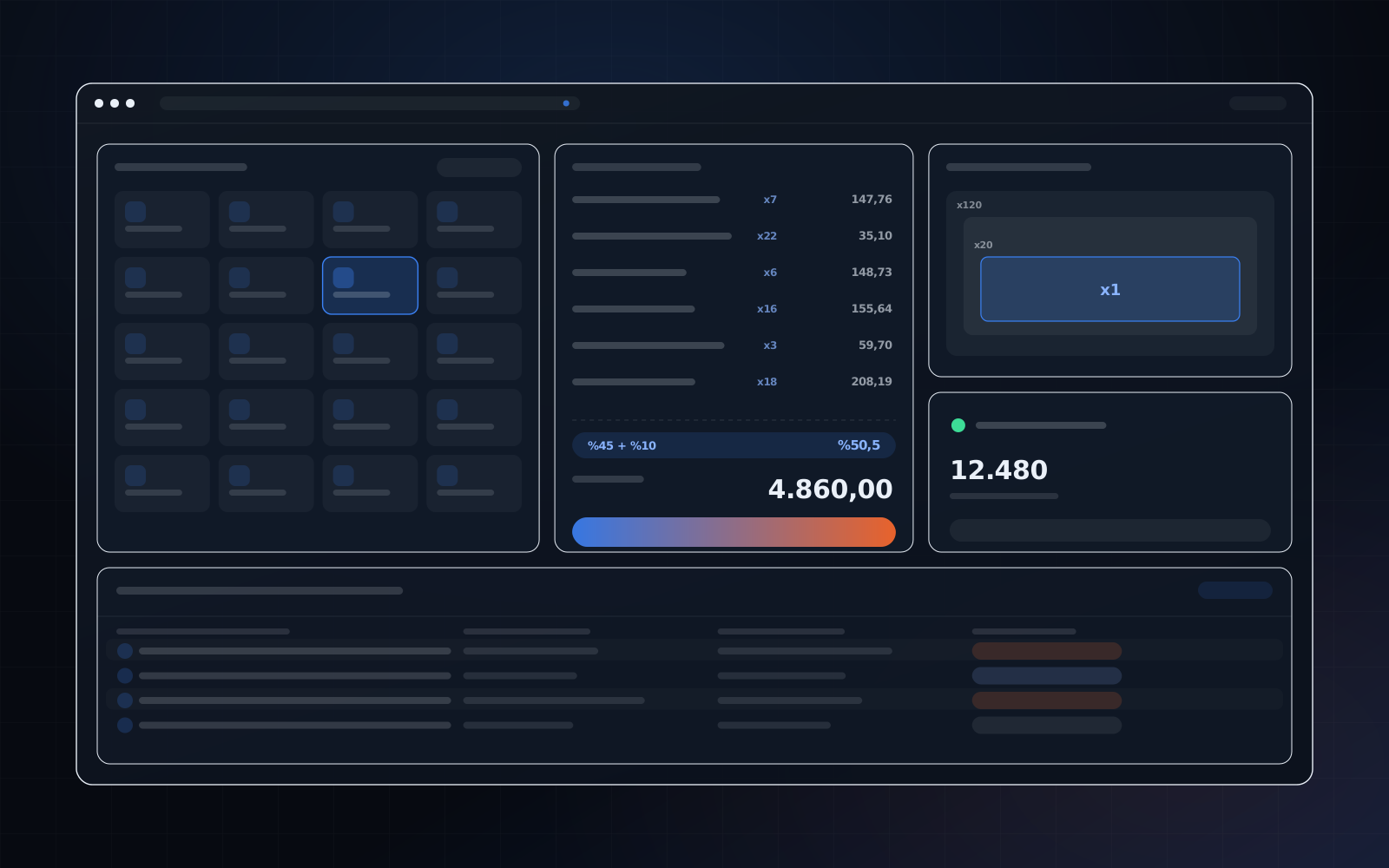
An ERP for workshops that build office furniture to measure. It produces the quote, the three-dimensional visual, and the cut list sent to the workshop from one calculation; when a dimension changes all three change together, so one can never be updated while another is forgotten.

ERP3D SceneCutting OptimizationQuoting
Configure and see the price
ScalaWood — Made-to-Measure Furniture ERP

The target user is not a mass-production factory but a project-based workshop: every job has different dimensions, every customer a different material, and a quote goes through several revisions before production. The real risk is doing the arithmetic in three separate places — the visual the customer approved comes out at one size while the cut list sent to the workshop comes out at another.

That is why ScalaWood's core is a single calculation. The formula, bill of materials, sheet nesting, and costing live in a separate core that depends on nothing; the server and the panel both read those same files, with no copies. Panel thickness is not a constant but comes from the selected material: choose 25 mm instead of 18 mm and the inner dimensions change by themselves.

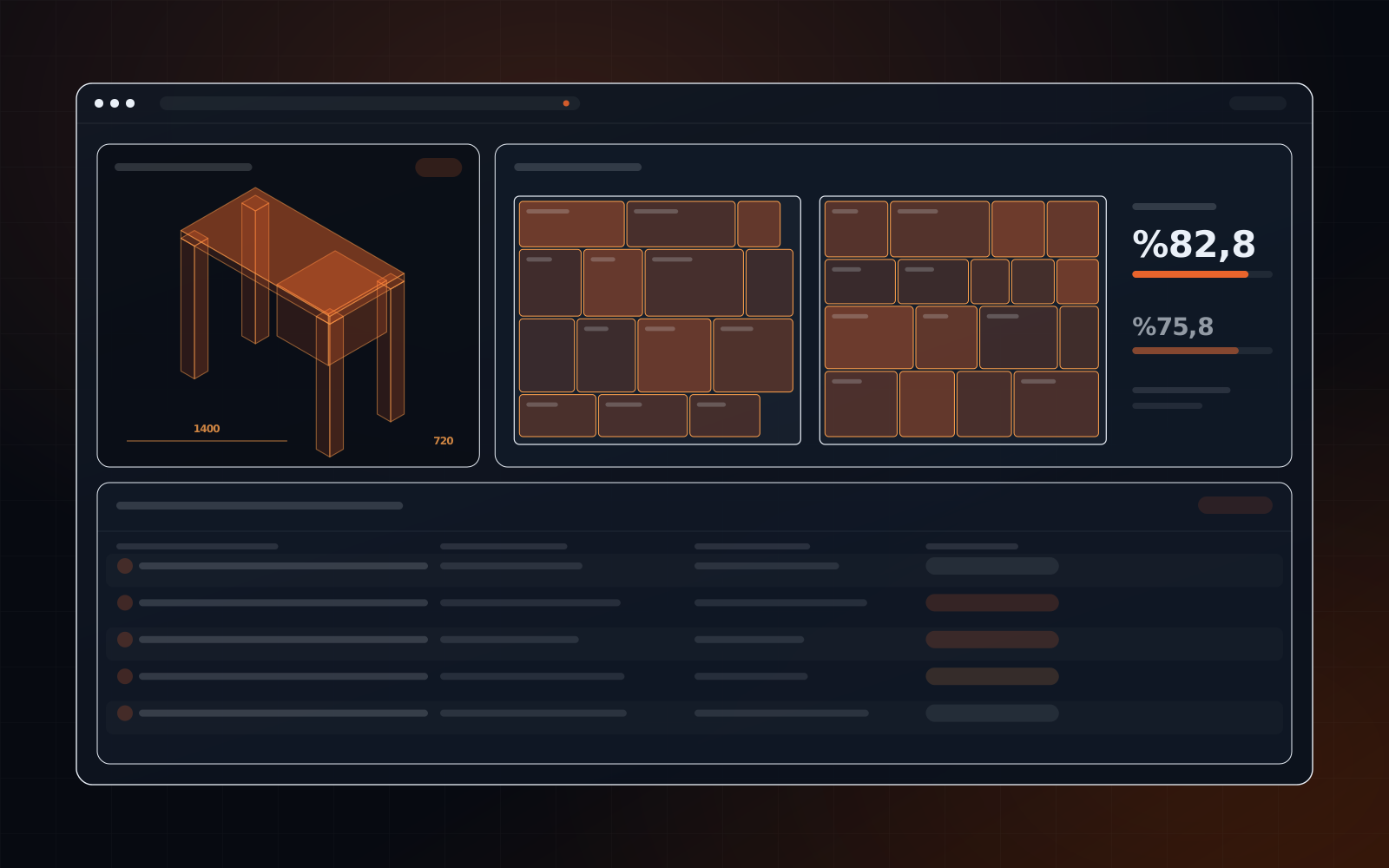
Sheet waste is measured, not guessed: nesting per work order measured 75.8% yield, and the same panels cut as one batch measured 82.8%. Because batch size, not the algorithm, decides waste, the system also tells you which jobs would gain by being cut together.

Problems it solves

  • 01The visual the customer approved and the measurement list sent to the workshop coming from different calculations
  • 02Sheet waste going unknown, with efficiency staying low because jobs are cut one at a time
  • 03The customer being unable to see how their office will look before signing

Capabilities

01

One calculation, three outputs

The visual the customer approved and the cut list sent to the workshop come from the same lines. When a dimension changes, the quote, the visual, and the cut list change together; what is signed is what is built.

02

Sheet nesting and waste

Parts are nested onto sheets and the waste is calculated. Measured yield is 75.8% per work order and 82.8% in batch cutting; waste is a measured value, not an estimate.

03

Batch-cutting suggestion

Waste is decided by batch size, not by the algorithm; the system tells you which jobs would gain by being cut together, so the same material yields more parts.

04

Office layout plan

The customer's office is built on screen and furniture is placed in it. The dimension handle on the plan changes the product's real size, not just the picture; the layout plan can be printed on A4.

05

Three-dimensional presentation

In the full-screen presentation the material changes live and human silhouettes give the scale. The customer sees their office before they sign.

06

Ready-made model library

Twenty ready-made furniture models ship with the system; the source and licence are written on every record, so commercial use raises no rights question.

Panel sections

Sales
Dashboard · Projects · Quick setup · Quotes · Customers
Design
Ready products · Product templates · 3D models
Production
Work orders · Production board
Warehouse
Materials and stock · Suppliers
Field
Dispatch and installation
Finance and reports
Invoicing and collection · Logo integration · Reports · Parameters

Technology stack

Node 20Express 5Sequelize 6MySQL 8React 19ViteTailwind v4three.js

Engineering notes

The product's identity lives in one folder: formula, bill of materials, sheet nesting, and costing sit in a core that imports nothing, and the panel reads those files directly. That is why the 3D visual the customer approved and the cut list sent to the workshop come from the same lines.

Expressions in template rows (inner width = outer width − 2 × thickness) run through a safe formula evaluator; `new Function` is never used.

The 3D scene is WebGL, not CSS, and loads lazily: the library that draws it sits in a separate chunk, so the rest of the panel never downloads that weight. The twenty ready-made models that ship with the system total 247 KB.

Other ERP systems

Frequently asked questions

What people ask us, answered briefly and plainly.

What is ScalaWood?

ScalaWood is a sector-specific ERP for made-to-measure office furniture. An ERP for workshops that build office furniture to measure. It produces the quote, the three-dimensional visual, and the cut list sent to the workshop from one calculation; when a dimension changes all three change together, so one can never be updated while another is forgotten.

ScalaWood: which problems does it solve?

The visual the customer approved and the measurement list sent to the workshop coming from different calculations; Sheet waste going unknown, with efficiency staying low because jobs are cut one at a time; The customer being unable to see how their office will look before signing.

ScalaWood: what are its key capabilities?

One calculation, three outputs: The visual the customer approved and the cut list sent to the workshop come from the same lines. Sheet nesting and waste: Parts are nested onto sheets and the waste is calculated. Batch-cutting suggestion: Waste is decided by batch size, not by the algorithm; the system tells you which jobs would gain by being cut together, so the same material yields more parts. Office layout plan: The customer's office is built on screen and furniture is placed in it. Three-dimensional presentation: In the full-screen presentation the material changes live and human silhouettes give the scale. Ready-made model library: Twenty ready-made furniture models ship with the system; the source and licence are written on every record, so commercial use raises no rights question.

ScalaWood: what technology is it built on?

Node 20, Express 5, Sequelize 6, MySQL 8, React 19, Vite, Tailwind v4, three.js.

ScalaWood: how do pricing and quotes work?

Pricing depends on how many people will use it, which sections are opened, and whether it must connect to other programs. After the conversation we send a written quote with scope, timeline, and a firm price within 48 hours at the latest.

ScalaWood: is there support after delivery?

Yes. For one year after delivery, updates, technical support, and server maintenance continue at no extra charge.

Let's begin

Which units do you work in, which document chain do you follow? We map the scope and prepare a clear quote within 48 hours.

By submitting the form, you allow us to contact you regarding your request.

or info@scalavisione.com.tr