ScalaVisione

Sector · Hardware and building supplies

Piece, box, case, kilo — one multiplier, one calculation.

A stock, counter, and account system for hardware and building-supply dealers. The same product is bought and sold by piece, box, case, and kilo; the barcode scanned at the counter, the quantity on the invoice, and the reorder calculation that runs overnight all use the same multiplier.

ERPPackaging ConversionCounter and POSAccounts
Configure and see the price
ScalaVida — Hardware and Building-Supply System

The difficulty in this sector is not the range of products but that the same product is bought and sold in four different ways: piece, box, case, and kilo. Screws arrive in boxes of 200 and sell by the piece; welding electrodes arrive in 5 kg packs and sell by the kilo. Once packaging gets mixed up, the stock balance stops meaning anything.

In ScalaVida, stock is always held in the base unit; box and case are only multipliers, never separate stock items. How many pieces a case barcode scanned at the counter deducts, the quantity printed on the invoice, and the reorder calculation that runs overnight all use the same multiplier. The day it is written in two places, a bug appears where the panel shows 2,000 pieces while stock drops by 1 — and the gap is only discovered months later at the stock count.

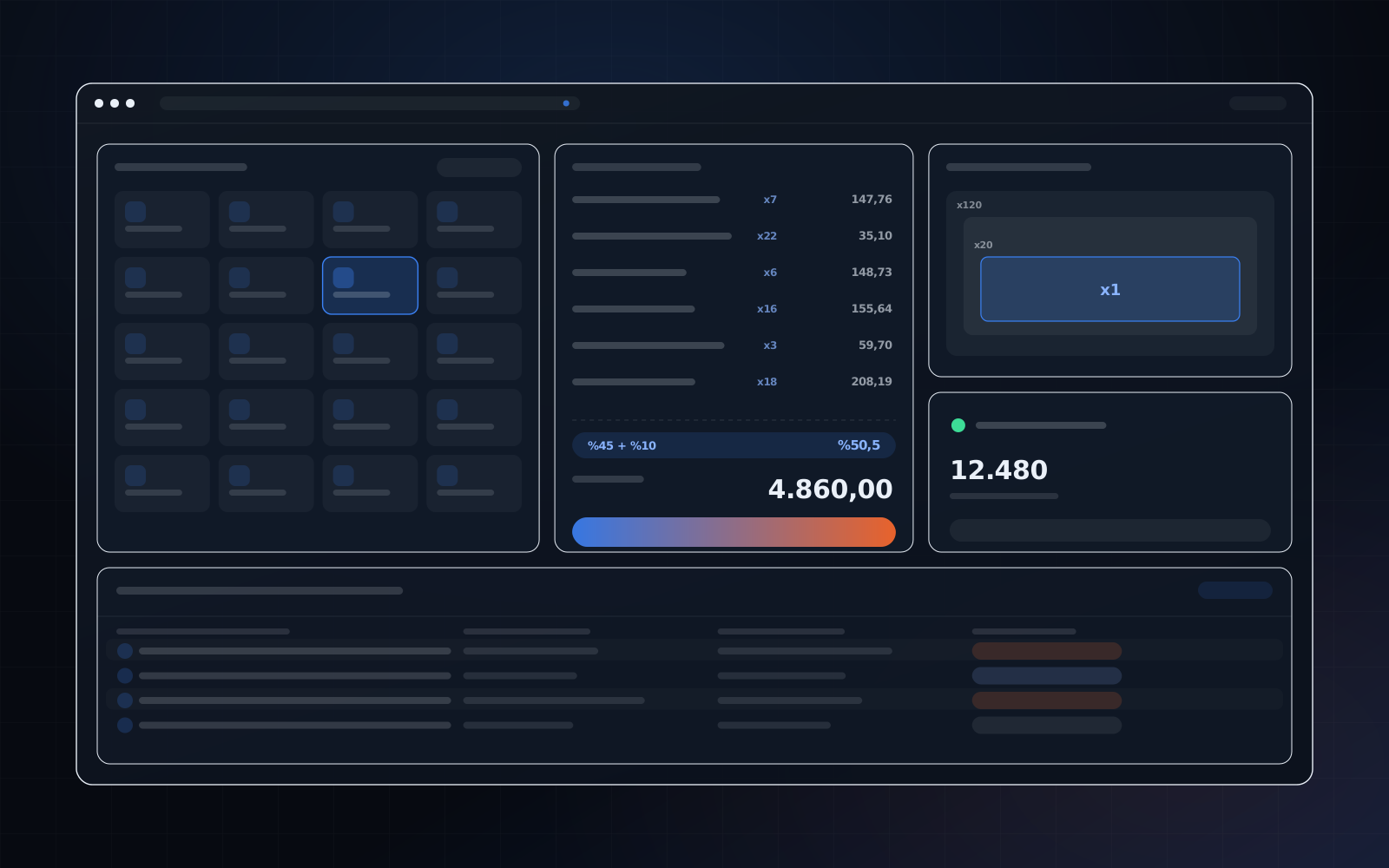
A discount chain is multiplied, not added: 45% plus 10% off list is 50.5%, not 55%. The 4.5-point gap is worth 13,500 TL on a monthly purchase of 300,000 TL. The panel shows the wrong calculation in a side column too.

Problems it solves

  • 01The same product being sold by piece, box, case, and kilo, with multipliers drifting apart between screens
  • 02Discount chains being added: 45% + 10% taken as 55% when the real value is 50.5%
  • 03Cash shifts, returns, and stock being kept separately, so the end of the day never balances

Capabilities

01

Packaging core

Stock is always in the base unit; box and case are only multipliers. If the card has no unit weight, receiving by the kilo is rejected — an invented multiplier cannot silently corrupt stock.

02

Discount chain

The chain is multiplied, not added: 45 percent plus 10 percent comes to 50.5 percent. The panel shows the wrong sum in a side column too, so margin comes out right.

03

Price rules

Product, brand, and group rules do not stack; the narrowest scope wins. Only campaigns accumulate, and they lapse by themselves when the period ends.

04

Cash shift

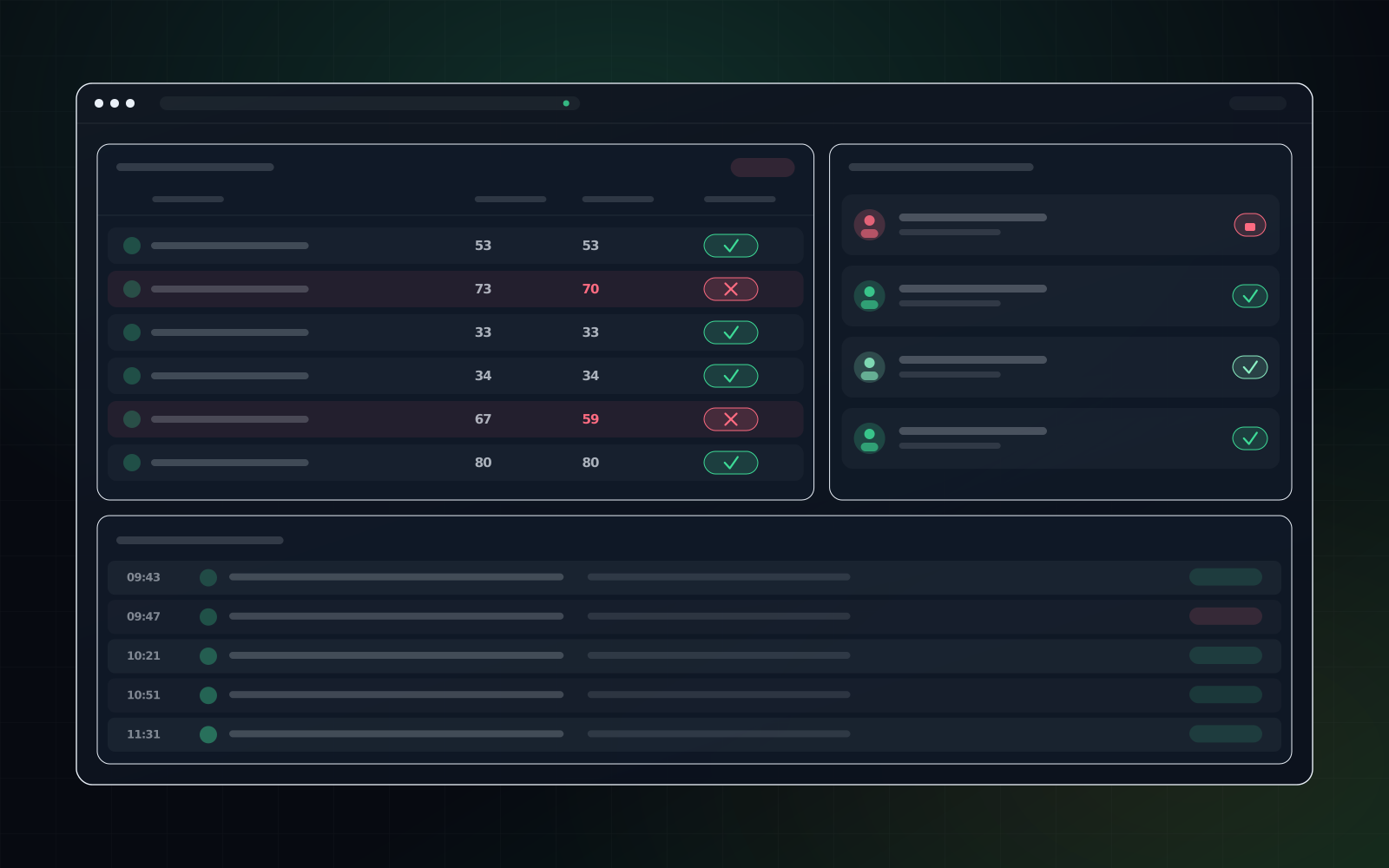
No receipt can be issued without an open shift, and the counted cash is mandatory at closing. A return does not alter the old receipt but issues a new document; a closed day's total never changes.

05

Cheque and note portfolio

A bounced cheque revives the account debt, and taking it back is symmetrical. Broken payment promises are counted separately, so collection risk becomes visible.

06

Labels and barcodes

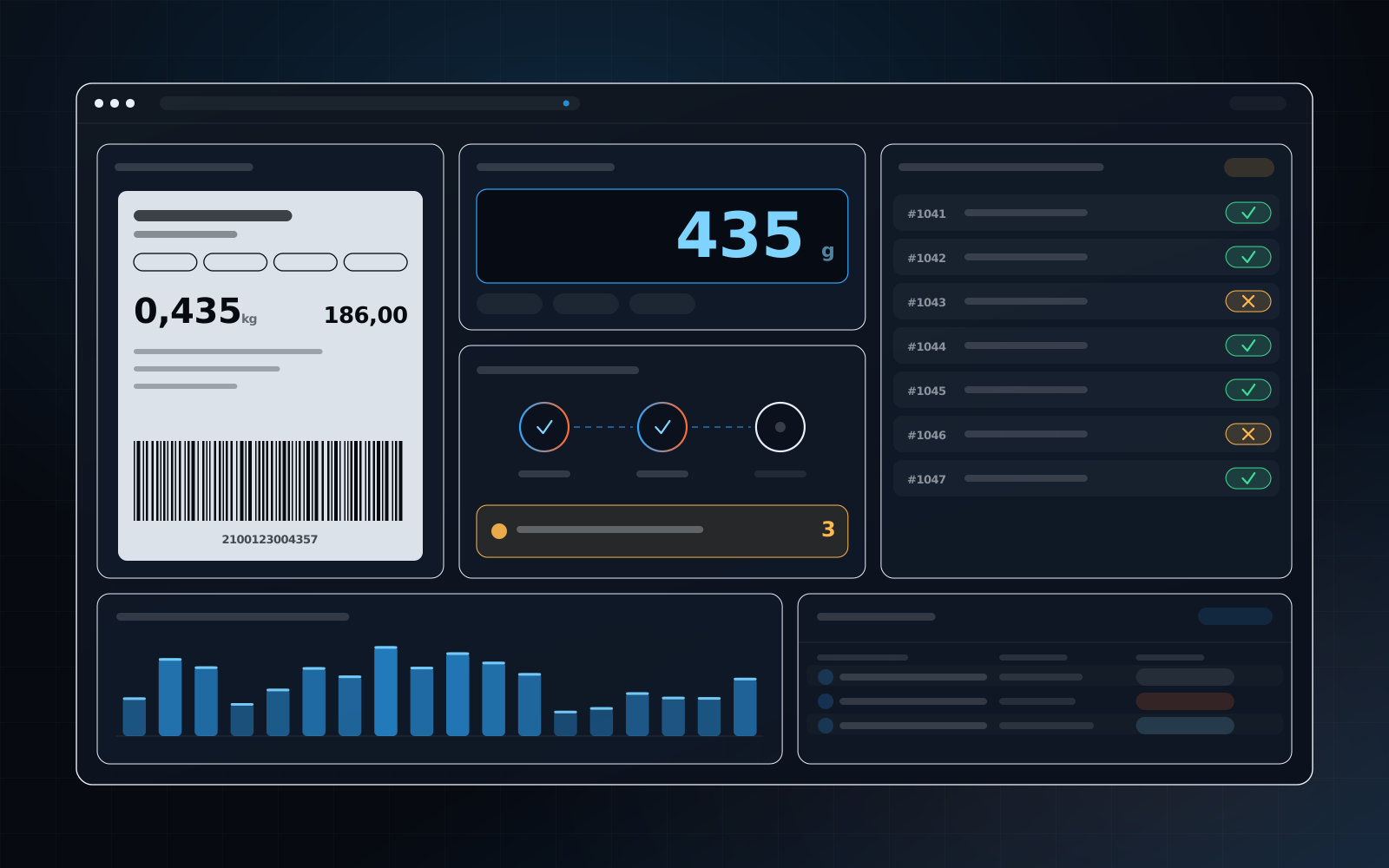
Piece and case barcodes are separate records, so a scan at the counter deducts the right quantity. The function that draws EAN-13 is the same in the panel and in the PDF; weighed barcodes are supported.

Panel sections

Getting started
Guide
Operations
Dashboard · Counter · Till · Alert centre
Warehouse
Shelf replenishment · Stock lookup · Stock movements · Goods receipt · Count · Shelf and warehouse
Procurement
Purchase suggestion · Orders · Suppliers
Sales
Current accounts · Quotes · Receipt and waybill · Dispatch · Warranty and service
Accounting
Invoicing and collection · Cheques and notes
Definitions and reports
Product cards · Labels and barcodes · Price and discount · Reports · Parameters

Technology stack

Node 20Express 5Sequelize 6MySQL 8React 19Tailwind v4node-cronpdfmake

Engineering notes

The product's identity is two files (`packaging.js`, `pricing.js`); they import nothing and the panel reads them directly. That is why the counter, the invoice, and the overnight reorder calculation all use the same multiplier.

Stock and account balances move only when a receipt is closed; had they moved on each added line, every abandoned receipt would corrupt stock. On a sale, stock is deducted from the shelf first.

Setup is a simulation: it generates 120 days day by day, and the 138-item catalogue comes from size families. Because the reorder point is computed from consumption history, the alert engine produces nothing without a past. A strip at the top of every screen explains what it is for and the first steps; staff training comes down to a day.

Other ERP systems

Frequently asked questions

What people ask us, answered briefly and plainly.

What is ScalaVida?

ScalaVida is a sector-specific ERP for hardware and building supplies. A stock, counter, and account system for hardware and building-supply dealers. The same product is bought and sold by piece, box, case, and kilo; the barcode scanned at the counter, the quantity on the invoice, and the reorder calculation that runs overnight all use the same multiplier.

ScalaVida: which problems does it solve?

The same product being sold by piece, box, case, and kilo, with multipliers drifting apart between screens; Discount chains being added: 45% + 10% taken as 55% when the real value is 50.5%; Cash shifts, returns, and stock being kept separately, so the end of the day never balances.

ScalaVida: what are its key capabilities?

Packaging core: Stock is always in the base unit; box and case are only multipliers. Discount chain: The chain is multiplied, not added: 45 percent plus 10 percent comes to 50.5 percent. Price rules: Product, brand, and group rules do not stack; the narrowest scope wins. Cash shift: No receipt can be issued without an open shift, and the counted cash is mandatory at closing. Cheque and note portfolio: A bounced cheque revives the account debt, and taking it back is symmetrical. Labels and barcodes: Piece and case barcodes are separate records, so a scan at the counter deducts the right quantity.

ScalaVida: what technology is it built on?

Node 20, Express 5, Sequelize 6, MySQL 8, React 19, Tailwind v4, node-cron, pdfmake.

ScalaVida: how do pricing and quotes work?

Pricing depends on how many people will use it, which sections are opened, and whether it must connect to other programs. After the conversation we send a written quote with scope, timeline, and a firm price within 48 hours at the latest.

ScalaVida: is there support after delivery?

Yes. For one year after delivery, updates, technical support, and server maintenance continue at no extra charge.

Let's begin

Which units do you work in, which document chain do you follow? We map the scope and prepare a clear quote within 48 hours.

By submitting the form, you allow us to contact you regarding your request.

or info@scalavisione.com.tr