ScalaVisione

Sector · Steel trading

The arithmetic of buying by the tonne and selling by the metre.

An ERP for firms that buy and sell profiles, sheet, rebar, pipe, angle, and NPU/NPI/IPE/HEA products. Built not for producers but for traders and steel service centres: buying by the tonne, selling by the metre, piece, or kilo, with cutting and haulage in between.

ERPMulti-UnitCutting OptimizationWeighbridge
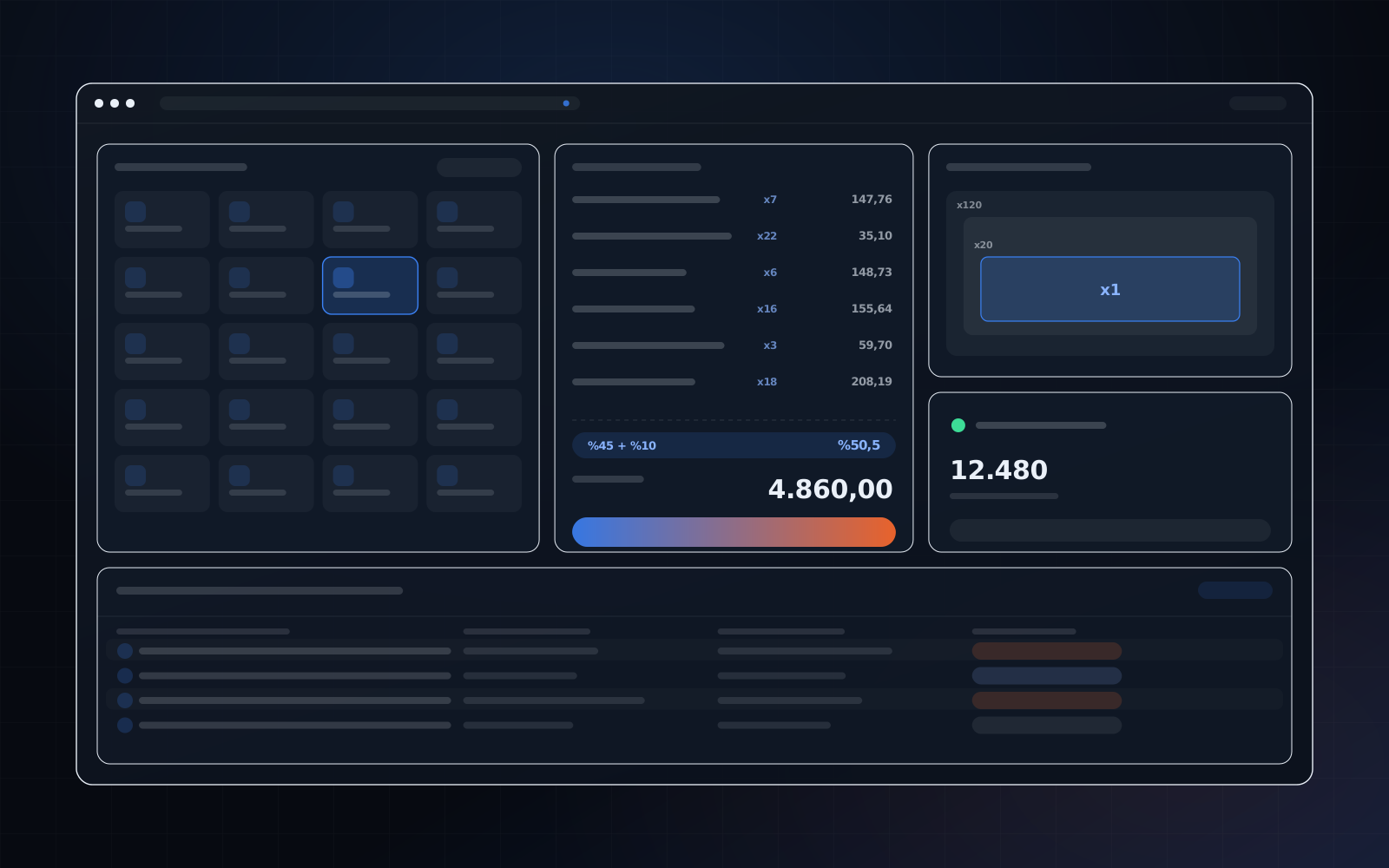
Configure and see the price
ScalaSteel — Steel Trading ERP

In steel trading, margin hides in the accuracy of unit conversion. The same item is bought by the tonne, quoted by the metre, invoiced by the kilo, and shipped by the piece. Every error between those four units is written straight into losses.

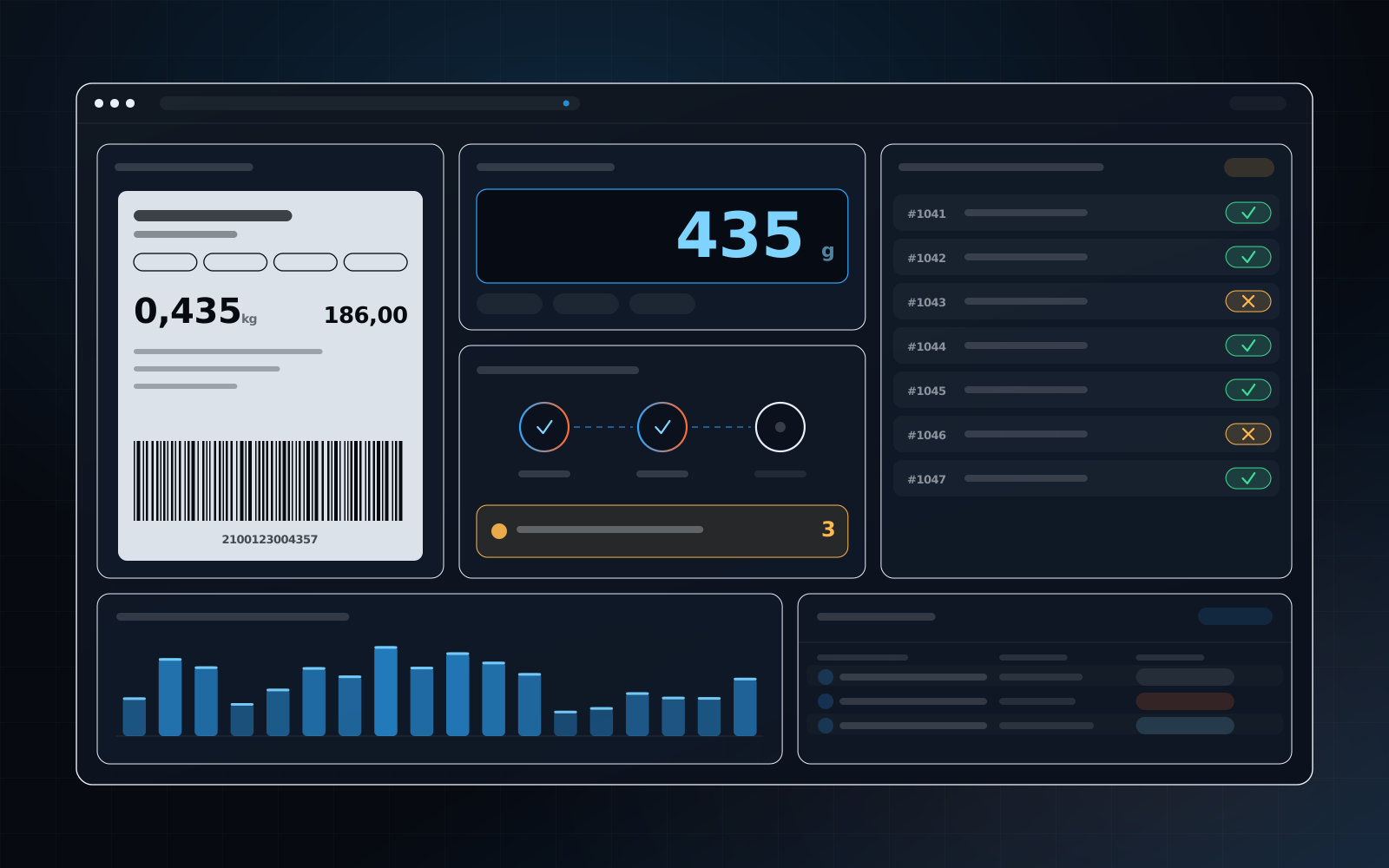
That is why multi-unit conversion sits at the core of ScalaSteel. A product card requires either weight per metre (kg/m) or weight per length (kg/piece); without one of them the card will not save — a card that cannot be converted is a card that cannot be sold.

Standard dimension catalogues arrive with their weights for box and rectangular profiles, IPE, HEA, HEB, NPU/UPN, NPI/INP, angle, flat bar, pipe, rebar, and sheet. Closed profiles subtract the EN 10219 corner radius.

Problems it solves

  • 01Stock bought by the tonne not converting correctly into per-metre or per-piece prices
  • 02Deviation between theoretical weight and weighbridge weight going unrecorded
  • 03Offcut waste from cutting never reaching the cost calculation
  • 04Account balance, open orders, and cheque exposure not visible together

Capabilities

01

Multi-unit conversion

kg ↔ metre ↔ piece ↔ tonne conversion runs through a single service. Quotes, orders, shipments, and invoices all draw on the same source, so no document drifts between units.

02

Weighbridge and weight deviation

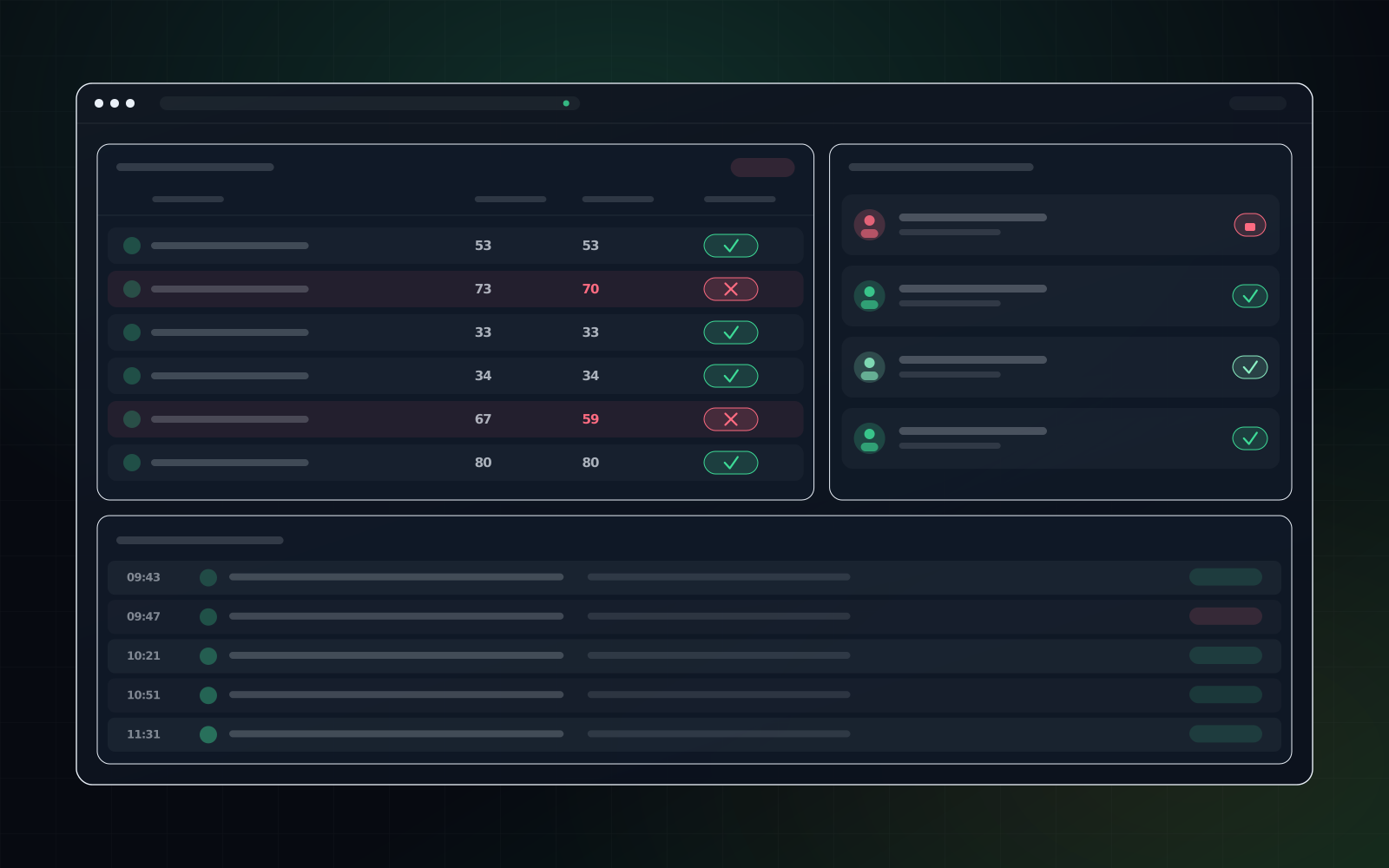
At goods receipt, theoretical weight sits beside weighbridge weight; the deviation is recorded and feeds supplier performance. Every record keeps the “from the scale / entered by hand” distinction.

03

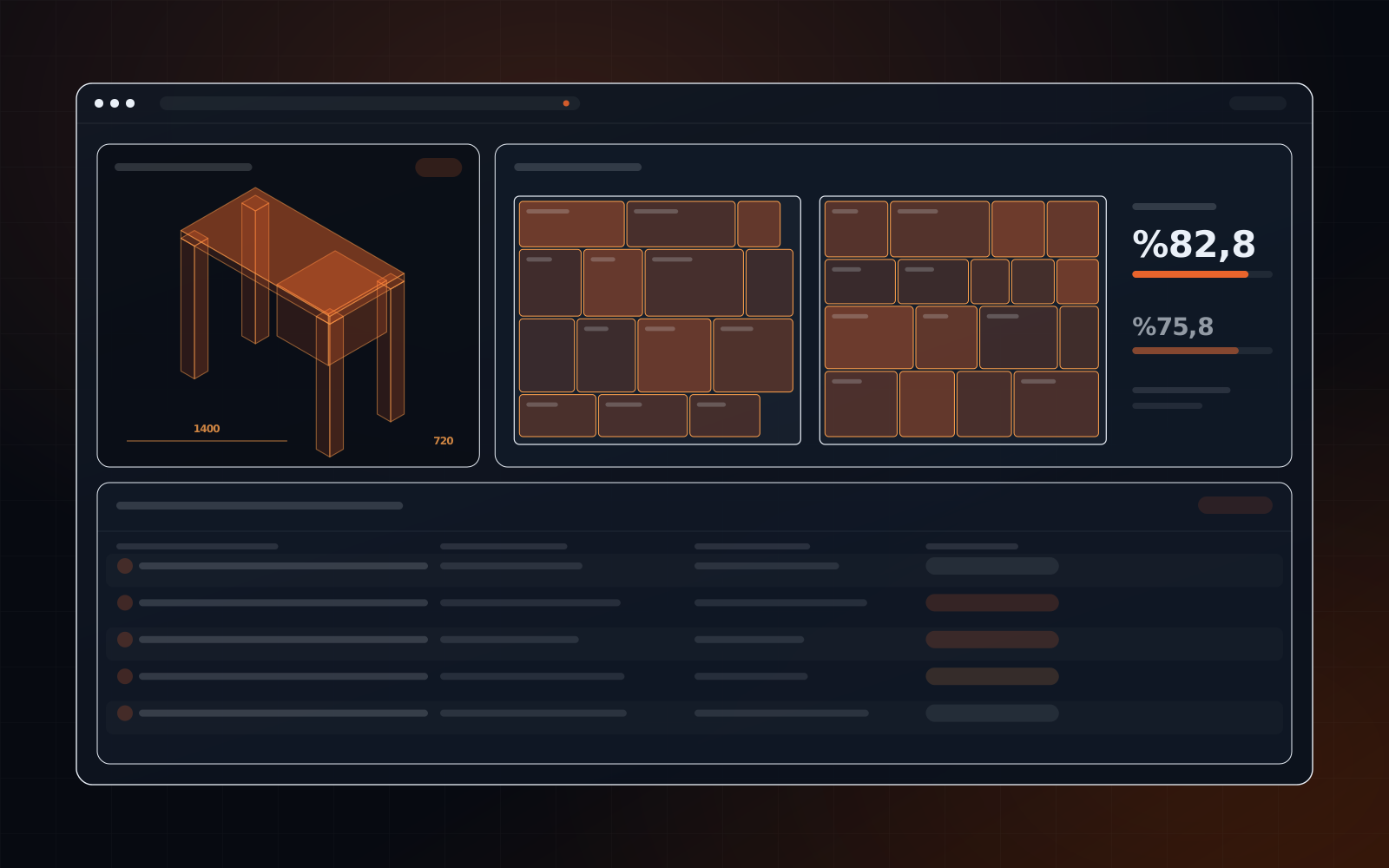
Cutting optimization

Work-order lengths are packed with an FFD algorithm, the remaining offcut is calculated and added to the real cost. Leftover pieces return to stock.

04

Risk limit

Account balance, open order value, and cheques in portfolio combine into a single risk score. Orders that exceed the limit go to approval.

05

Profitability per tonne

After import charges, haulage, and waste are allocated, profit per tonne is reported by product, customer, and batch.

06

Alert engine

Eleven rules run continuously: critical stock, late shipments, cheques nearing maturity, limit breaches. Repeat alerts are de-duplicated.

Panel sections

Sales
Stock lookup · Quote · Order · Shipment/waybill · Invoice · Customer
Warehouse
Goods receipt + weighbridge · Batch · Cutting work order · Movements · Count · Location
Procurement
Order · Import file · Supplier performance
Finance
Current account · Cheques/notes · Risk monitoring · Cash/bank
Management
Product cards · Daily price · Profit per tonne · Reports · Parameters

Technology stack

Node 20Express 5SequelizeMySQL 8React 19Vite 6Tailwind v4

Engineering notes

A product card cannot be saved without conversion data (kg/m or kg/piece). The constraint is deliberate: letting an incomplete card into the system produces a wrong price in every document that follows.

Weighbridge integration is abstracted behind a single endpoint (`GET /api/receipts/scale`). Today it simulates a reading and returns `source: "simulation"`; when a serial or TCP device is connected only that endpoint changes and the record schema stays identical.

e-Invoice, e-Archive, and e-Waybill endpoints manage document state and UUID, so swapping the integrator leaves the business logic untouched.

Other ERP systems

Frequently asked questions

What people ask us, answered briefly and plainly.

What is ScalaSteel?

ScalaSteel is a sector-specific ERP for steel trading. An ERP for firms that buy and sell profiles, sheet, rebar, pipe, angle, and NPU/NPI/IPE/HEA products. Built not for producers but for traders and steel service centres: buying by the tonne, selling by the metre, piece, or kilo, with cutting and haulage in between.

ScalaSteel: which problems does it solve?

Stock bought by the tonne not converting correctly into per-metre or per-piece prices; Deviation between theoretical weight and weighbridge weight going unrecorded; Offcut waste from cutting never reaching the cost calculation; Account balance, open orders, and cheque exposure not visible together.

ScalaSteel: what are its key capabilities?

Multi-unit conversion: kg ↔ metre ↔ piece ↔ tonne conversion runs through a single service. Weighbridge and weight deviation: At goods receipt, theoretical weight sits beside weighbridge weight; the deviation is recorded and feeds supplier performance. Cutting optimization: Work-order lengths are packed with an FFD algorithm, the remaining offcut is calculated and added to the real cost. Risk limit: Account balance, open order value, and cheques in portfolio combine into a single risk score. Profitability per tonne: After import charges, haulage, and waste are allocated, profit per tonne is reported by product, customer, and batch. Alert engine: Eleven rules run continuously: critical stock, late shipments, cheques nearing maturity, limit breaches.

ScalaSteel: what technology is it built on?

Node 20, Express 5, Sequelize, MySQL 8, React 19, Vite 6, Tailwind v4.

ScalaSteel: how do pricing and quotes work?

Pricing depends on how many people will use it, which sections are opened, and whether it must connect to other programs. After the conversation we send a written quote with scope, timeline, and a firm price within 48 hours at the latest.

ScalaSteel: is there support after delivery?

Yes. For one year after delivery, updates, technical support, and server maintenance continue at no extra charge.

Let's begin

Which units do you work in, which document chain do you follow? We map the scope and prepare a clear quote within 48 hours.

By submitting the form, you allow us to contact you regarding your request.

or info@scalavisione.com.tr